Pore problems
Causes of pore problems
Large pores make your skin look terrible; it's not smooth at all, easily accumulates dirt, and even with extra hydration, it doesn't look moisturized. Your skin also appears loose, and makeup tends to cake more easily.
Causes of enlarged pores: Skin damage from both internal and external sources
The causes of enlarged pores are quite complex and can be broadly divided into internal and external factors. The interaction between the two can lead to the gradual expansion of pores, resulting in acne and other pore problems. To effectively improve enlarged pores, it is essential to understand these causes!
Internal factors: the body's natural mechanisms
Genetic factors
Skin type and pore size are influenced by genetics. If your parents or family members have large pores, you are more likely to experience the same skin problem. This type of large pores is hereditary, but it can still be improved through proper skincare.
aging
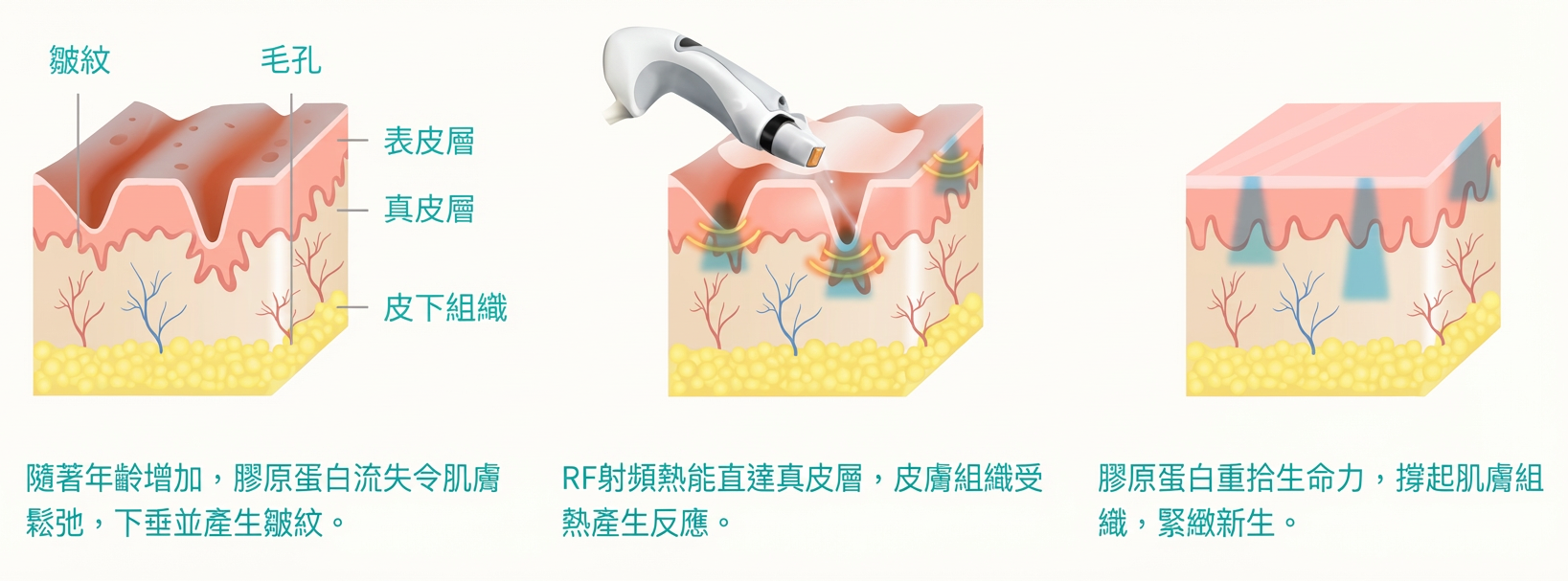
As we age, the collagen and elastin fibers in our skin gradually diminish, causing the skin to lose elasticity and support. The tissue around the pores then loosens and sags, resulting in the pores expanding in a "teardrop" or "Y" shape, causing enlarged pores – a typical sign of aging-related enlarged pores.
Hormonal changes
Hormonal fluctuations during puberty, menstruation, pregnancy, or menopause can stimulate the sebaceous glands to secrete sebum. Excessive oil can enlarge pores, causing them to grow larger and leading to other skin problems!
Excessive sebum secretion
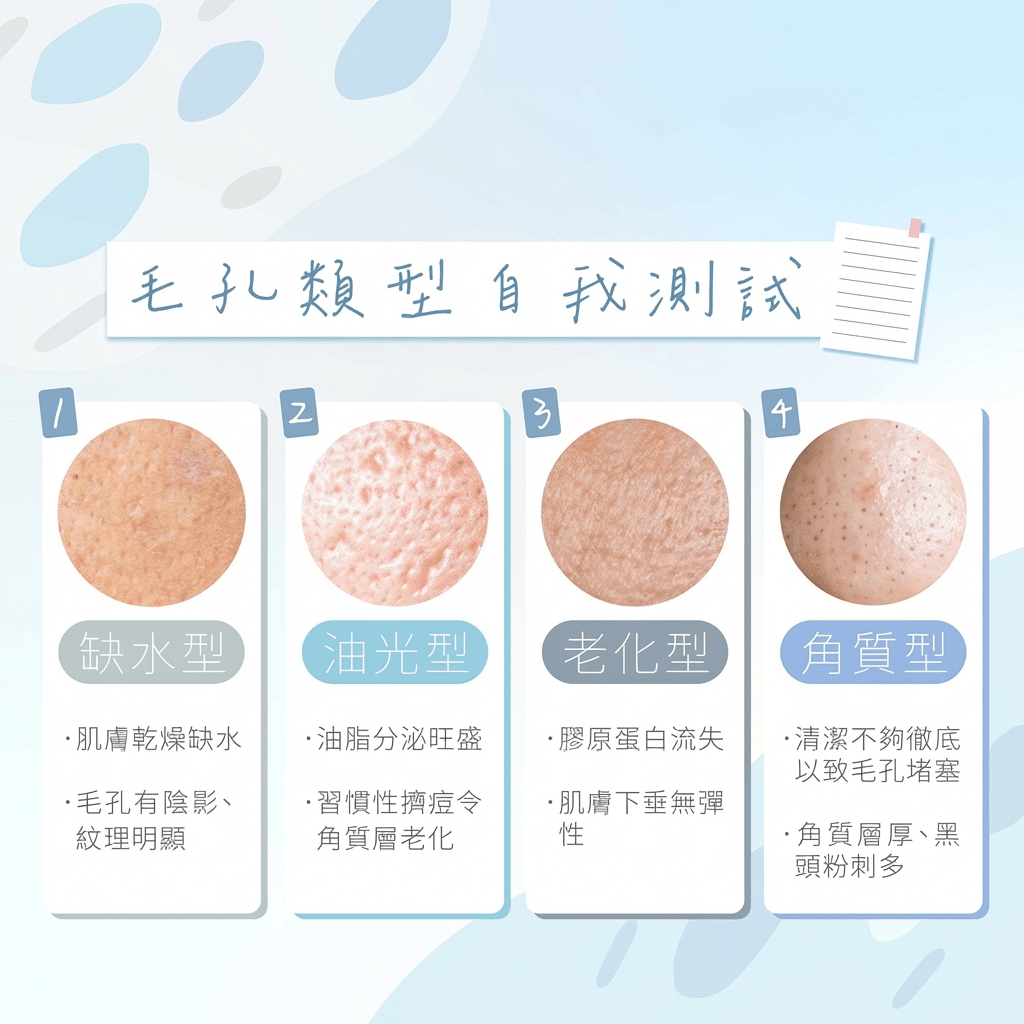
Overactive sebaceous glands secrete excessive oil, which easily mixes with dead skin cells, clogging pores and forcing hair follicles to expand in order to expel the oil, resulting in enlarged pores.
Excessive sebum secretion
Excessive sebum production can lead to enlarged pores. Too much oil can clog pores and cause them to expand, resulting in large pores.
Exposed to the sun
Prolonged exposure to sunlight, especially without proper sun protection, can reduce skin elasticity and lead to enlarged pores.
Clogged pores
Dirt, oil, and dead skin cells can accumulate on the skin and clog pores. If pores are clogged for a long time, it can lead to folliculitis, forming pimples or acne, and further enlarging the pores.
Improper skincare habits
Incorrect skincare habits can also lead to enlarged pores. For example, over-cleansing, excessive exfoliation, or the use of harsh products can disrupt the skin's balance and cause pore problems.
Causes of pore problems
Large pores make your skin look terrible; it's not smooth at all, easily accumulates dirt, and even with extra hydration, it doesn't look moisturized. Your skin also appears loose, and makeup tends to cake more easily.
Causes of enlarged pores: Skin damage from both internal and external sources
The causes of enlarged pores are quite complex and can be broadly divided into internal and external factors. The interaction between the two can lead to the gradual expansion of pores, resulting in acne and other pore problems. To effectively improve enlarged pores, it is essential to understand these causes!
Internal factors: the body's natural mechanisms
Genetic factors
Skin type and pore size are influenced by genetics. If your parents or family members have large pores, you are more likely to experience the same skin problem. This type of large pores is hereditary, but it can still be improved through proper skincare.
aging
As we age, the collagen and elastin fibers in our skin gradually diminish, causing the skin to lose elasticity and support. The tissue around the pores then loosens and sags, resulting in the pores expanding in a "teardrop" or "Y" shape, causing enlarged pores – a typical sign of aging-related enlarged pores.
Hormonal changes
Hormonal fluctuations during puberty, menstruation, pregnancy, or menopause can stimulate the sebaceous glands to secrete sebum. Excessive oil can enlarge pores, causing them to grow larger and leading to other skin problems!
Excessive sebum secretion
Overactive sebaceous glands secrete excessive oil, which easily mixes with dead skin cells, clogging pores and forcing hair follicles to expand in order to expel the oil, resulting in enlarged pores.
External factors: the accumulation of daily habits
Improper makeup removal and cleansing
Incomplete makeup removal and cleansing, or choosing makeup removers that are not strong enough or unsuitable for your skin type, can leave makeup residue in your pores. This residue, along with sunscreen and dirt from the air, can clog pores and, over time, enlarge them, making them more noticeable.
Irregular work and rest schedule
Staying up late and lack of sleep can affect the body's metabolism, which in turn stimulates the sebaceous glands to secrete more oil, exacerbating the problem of enlarged pores.
Poor eating habits
A diet high in sugar and fried foods can accelerate the "glycation" reaction in the skin, damaging collagen in the dermis, causing the tissue around the pores to loosen, and thus leading to enlarged pores.
Squeezing blackheads and pimples
Improper squeezing techniques can not only cause inflammation and infection of pores, but also damage the tissue around the pores, leaving scars that are difficult to heal and making the pores even larger. Especially on many parts of the face, squeezing pimples yourself is unsafe and may even induce other health problems, such as meningitis.
Insufficient sun protection
Ultraviolet (UV) radiation is one of the main culprits of skin aging. UVA rays from sunlight can penetrate into the dermis, damaging collagen and elastin fibers, causing the skin to lose elasticity, leading to enlarged pores that may trap dirt, and increasing the visibility of skin aging.
Insufficient moisturizing
When skin is dry and dehydrated, the stratum corneum becomes disordered, and the skin texture around pores becomes rough, making pores appear more noticeable. Furthermore, dehydrated skin also stimulates the sebaceous glands to secrete more oil to protect the skin, creating a vicious cycle.
Over-exfoliation/physical or fruit acid peels
Frequent or excessive use of exfoliating products can damage the skin's natural stratum corneum barrier, making the skin fragile and sensitive. This, in turn, stimulates the sebaceous glands to secrete more sebum, making the problem of enlarged pores even more serious.
Environmental pollution
Air pollutants, PM2.5, and dust particles can adhere to the skin's surface, worsening pore blockage and negatively impacting pore health over time.
‣ Time-Defying Skin - Skin-Cleansing and Hydrating Treatment for Radiant Skin
Core Principle Breakdown:
Physical vacuum suction: Using a patented spiral suction head to generate a negative pressure of approximately -0.5 to -0.8 bar, it gently removes dead skin, blackheads, whiteheads, and oil from the skin's surface. This is gentler than traditional needle extraction and reduces skin irritation.
Chemical Exfoliation: This treatment includes a serum containing AHA (alpha hydroxy acids, suitable for normal/dry skin) or BHA (salicylic acid, suitable for oily/acne-prone skin). These ingredients penetrate deep into the hair follicles, dissolving hardened sebum plugs and dead skin cells.
"Two-way" spiral water flow: The specially designed probe infuses moisturizing and repairing essence while suctioning away impurities, so that the skin is immediately soothed and moisturized after cleansing, achieving the effect of cleansing and hydrating at the same time.
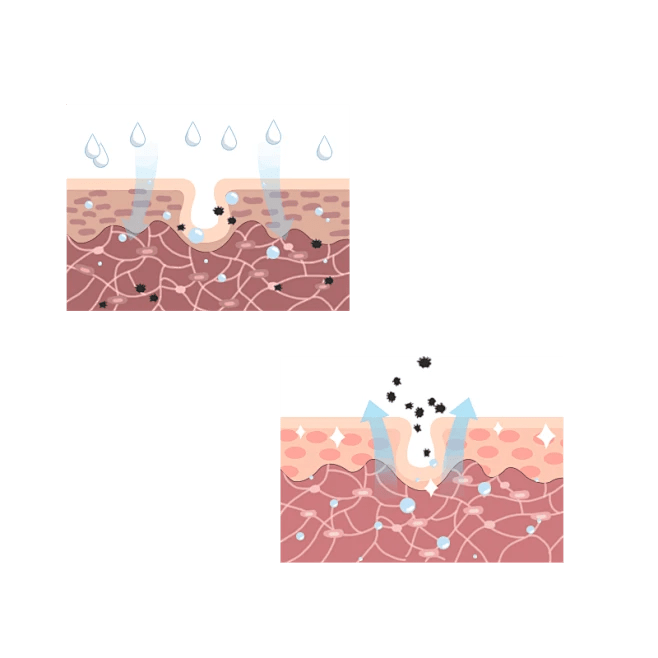
Main functions of the time machine:
- Deep cleanses and unclogs pores: Effectively removes blackheads, whiteheads, and sebum plugs, improving clogged pores.
- Exfoliation and skin rejuvenation: Removes dead skin cells, accelerates metabolism, and restores smooth and radiant skin.
- Water-oil balance and moisturizing: Regulates and moisturizes skin with excessive oil secretion.
- Painless care: Gentler and painless than traditional needle extraction, with no recovery period required.
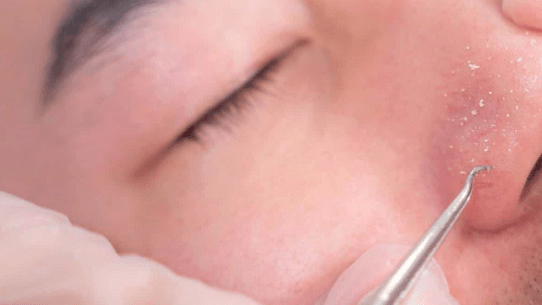
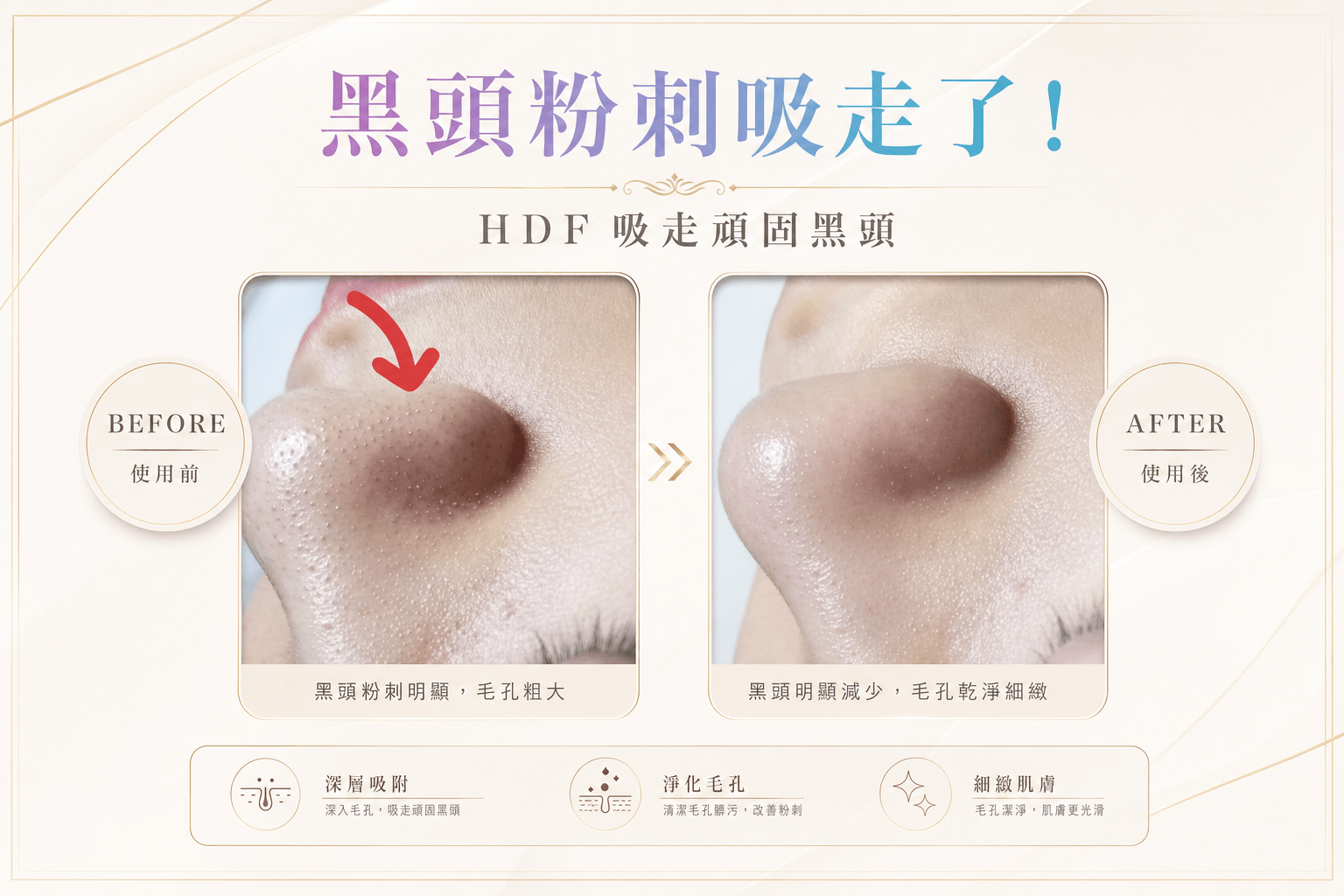
Time Machine - Skin Purifying and Hydrating Treatment Before and After Photos
‣ PURE Beauty Medical Center Unique 1064 diamond-type laser for minimizing pores
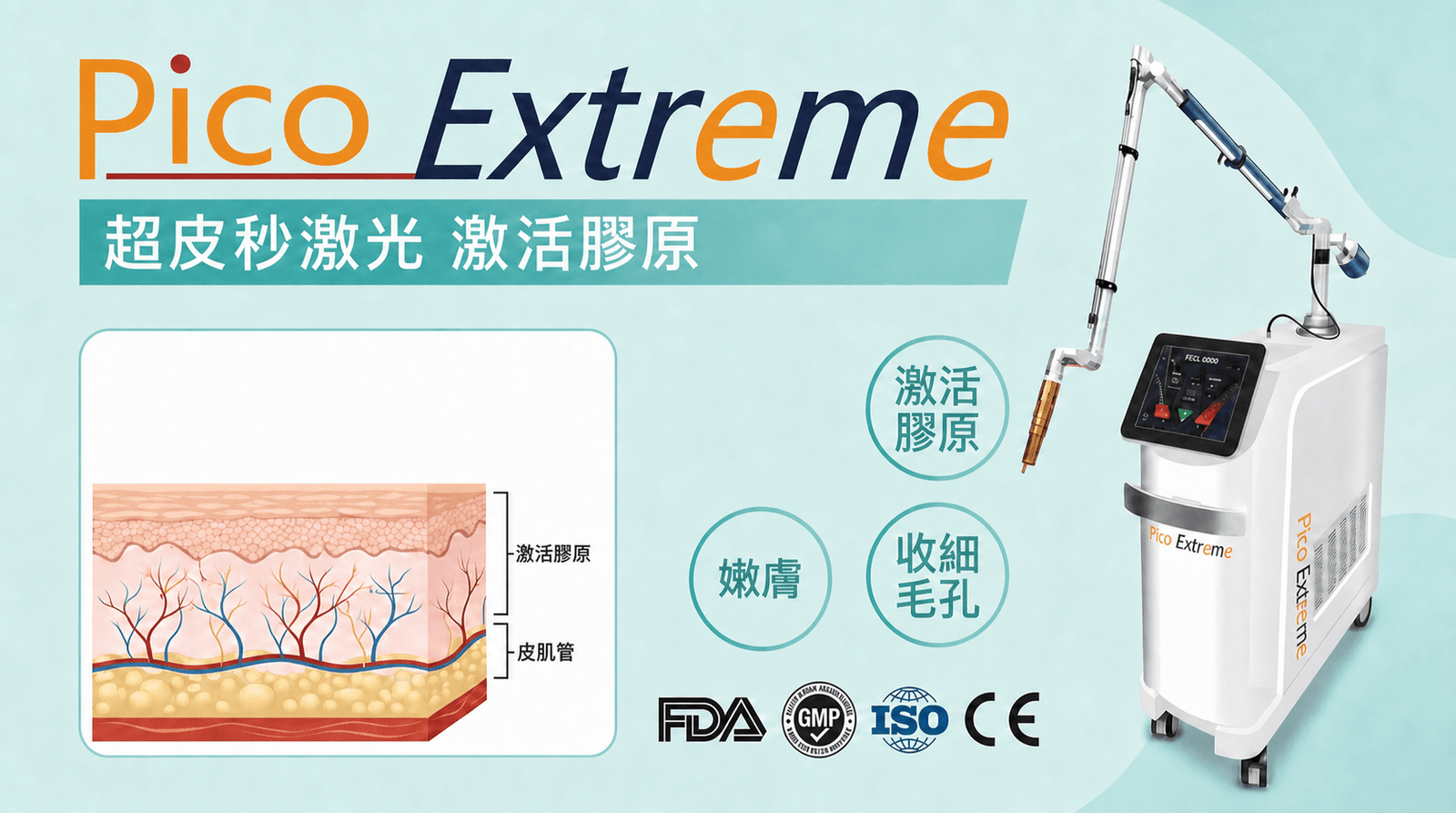
principle:
It is a medical aesthetic treatment that combines 1064nm wavelength technology with a special probe.
It utilizes the thermal effect of laser to reach the dermis, stimulating collagen production, strengthening the support of tissues around pores, and improving sebum secretion, thereby achieving the effects of minimizing pores, smoothing skin texture, and evening skin tone.