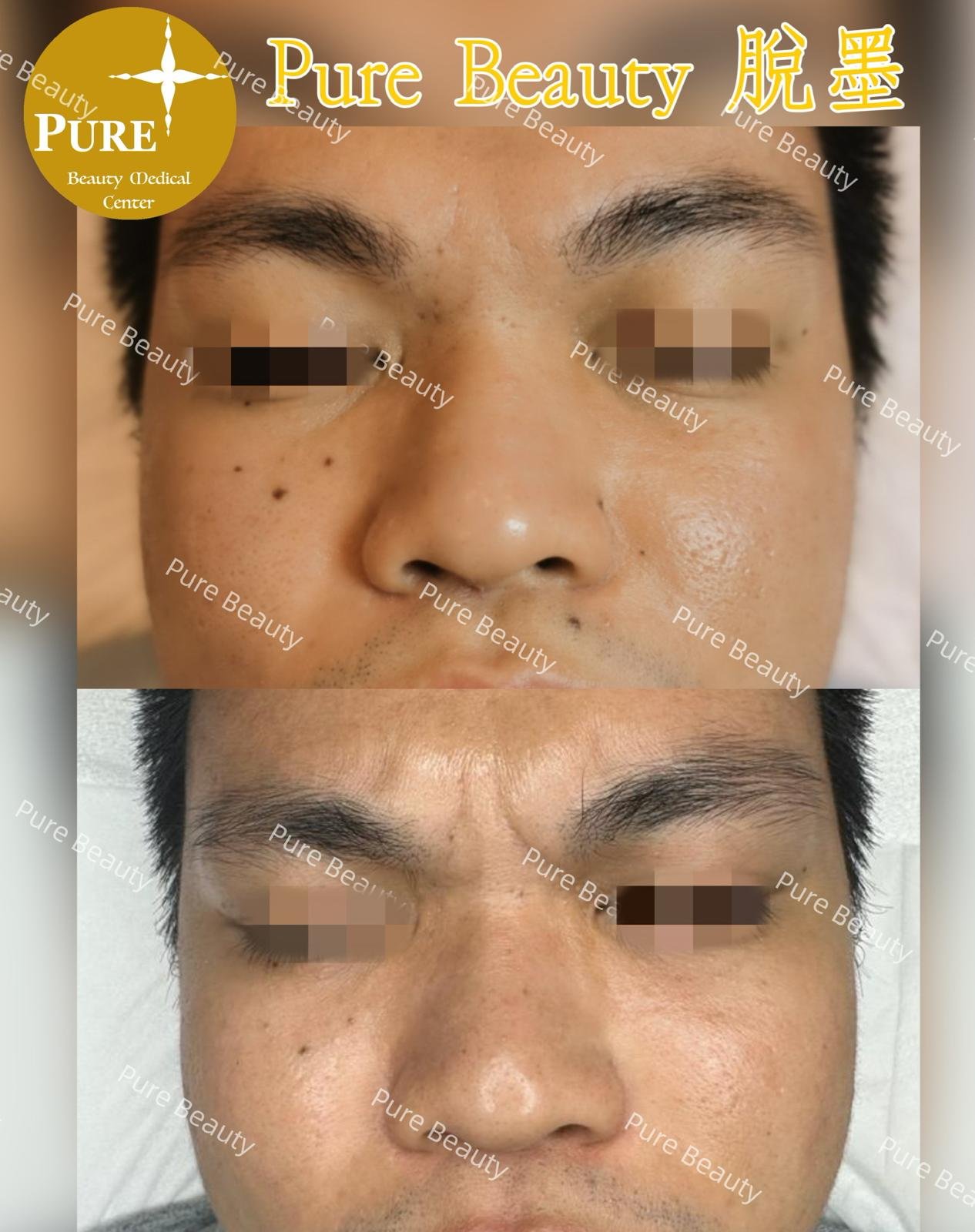
Wart removal and ink removal
What are warts?
What are warts? Are the small bumps that suddenly appear on my face warts? Are viral warts contagious? What happens if viral warts are left untreated? Although warts are not uncommon, many people still have misconceptions about them. This article shares how to identify warts, and provides a complete breakdown of the causes of facial warts, symptoms of viral warts, and precautions for treating facial warts.
Four common types of skin warts
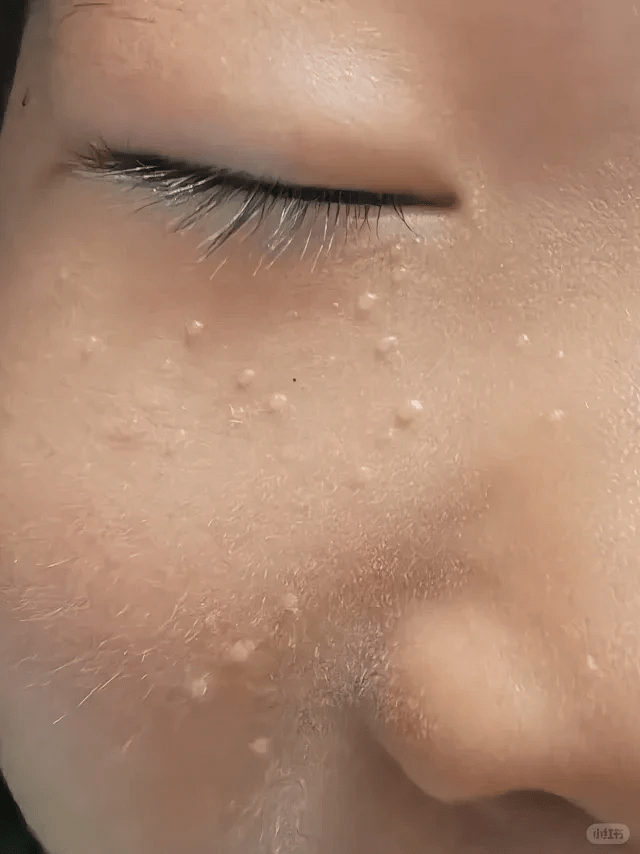
1. Flat warts
- Commonly found on the face, neck, chest, and abdomen.
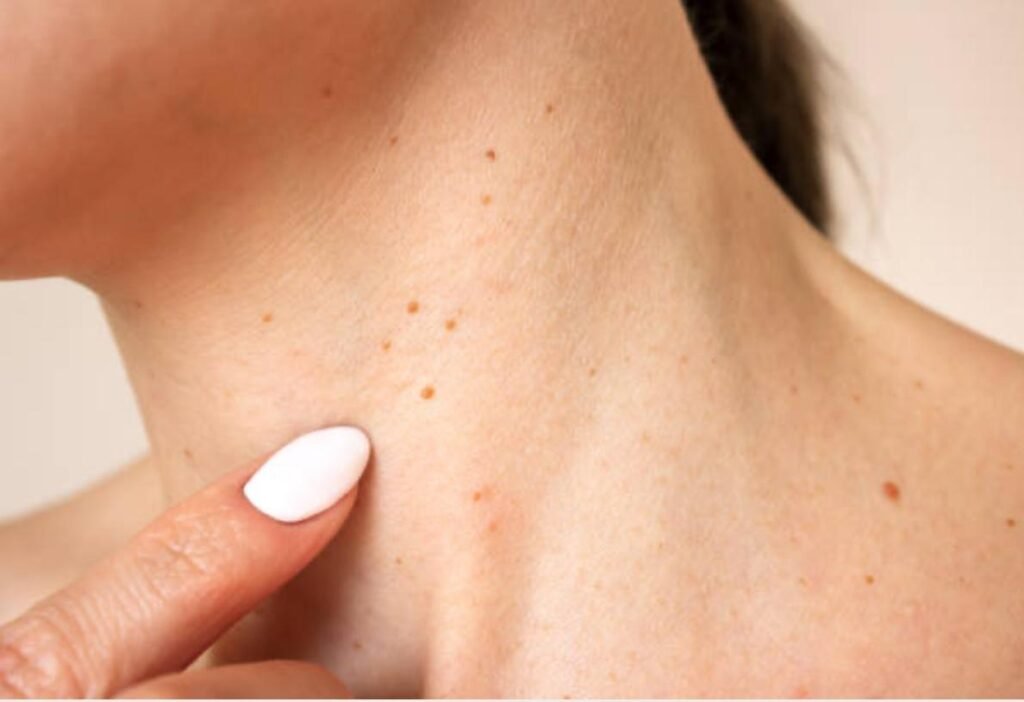
- Small, flesh-colored or brownish-yellow, slightly raised particles, about 1 to 2 millimeters in size.
- The number of flat warts may continue to increase and spread to the surrounding normal skin. A patient may develop dozens to hundreds of flat warts on their face, mainly affecting appearance, but may also cause itchy skin.
- Sometimes it is mistaken for sebaceous gland hyperplasia, syringoma, acne, moles, or age spots (seborrheic keratosis).
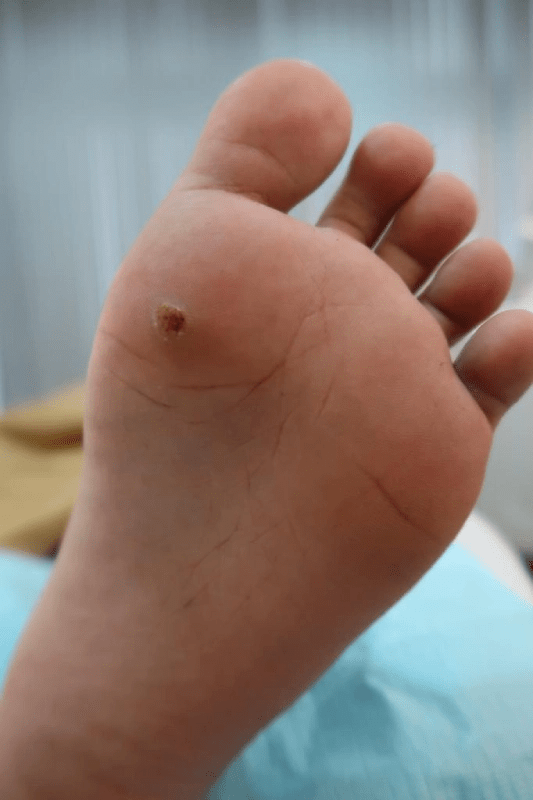
2. Plantar warts
- It grows on the soles or toes and may cause pain when walking.
- It appears as a hard lump that is sunken or raised, rough and thickened, deeply embedded in the skin, and may have small black spots on the surface; its size can be several centimeters.
- Sometimes mistaken for corns
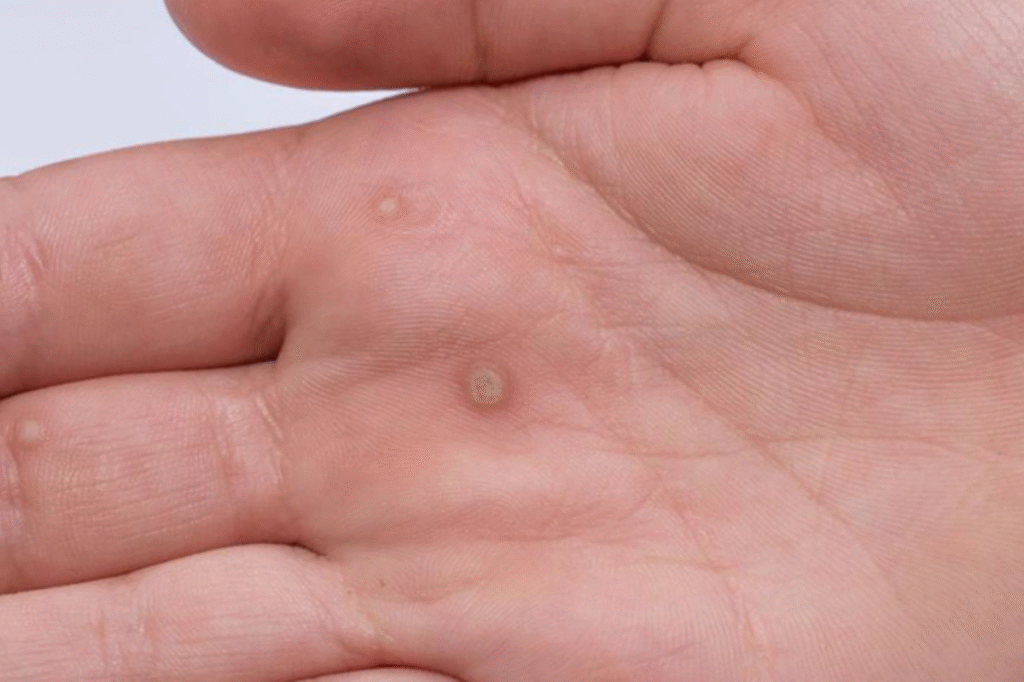
3. Common warts
- Commonly found on the fingers, toes, and nail edges, it can cause pain.
- It presents as rough, keratinized protrusions, hard lumps, granules, or nodules, with small black dots on the surface, and can be up to 10 mm in size.
- Sometimes mistaken for skin cancer
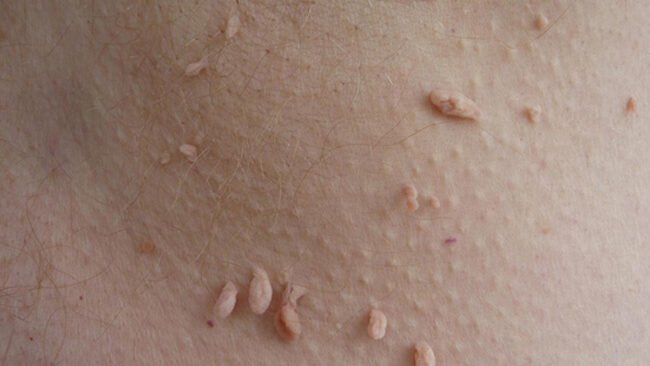
4. Genital warts
- Also known as genital warts, condyloma acuminata (cauliflower buds), or genital warts.
- It is mainly transmitted through sexual contact and has a high infectivity.
- Protruding flesh-colored granules or lumps may appear around the genitals (such as the penis and labia) or anus. These lumps may gradually increase in size or number, and sometimes have a rough surface resembling cauliflower.
- Sometimes mistaken for skin cancer
- Treatment for skin warts
Are warts contagious?
Warts are contagious, primarily through contact. Whether it's skin-to-skin contact or sharing razors, towels, or cosmetic tools, the virus can spread. A more common method is "autoinoculation"—where touching a wart and then touching the face allows the virus to spread to other areas of skin, causing more warts to grow. Therefore, once warts are discovered, the most important thing is to avoid rubbing or tearing them and to maintain good hygiene.


Methods to prevent skin warts
HPV is transmitted through contact; infection can occur through direct or indirect contact.
- Avoid direct contact with the warts on other patients' skin.
- Avoid using other people's towels, makeup puffs, razors, pillows, sheets, slippers, etc.
- Avoid walking barefoot in swimming pools, gyms, or locker rooms, or use cleaning products to wash the soles of your feet after they have touched the ground.
- After infection, never scratch the infected area to avoid spreading the infection.
- A balanced diet, moderate exercise, and sufficient sleep are essential for boosting immunity.
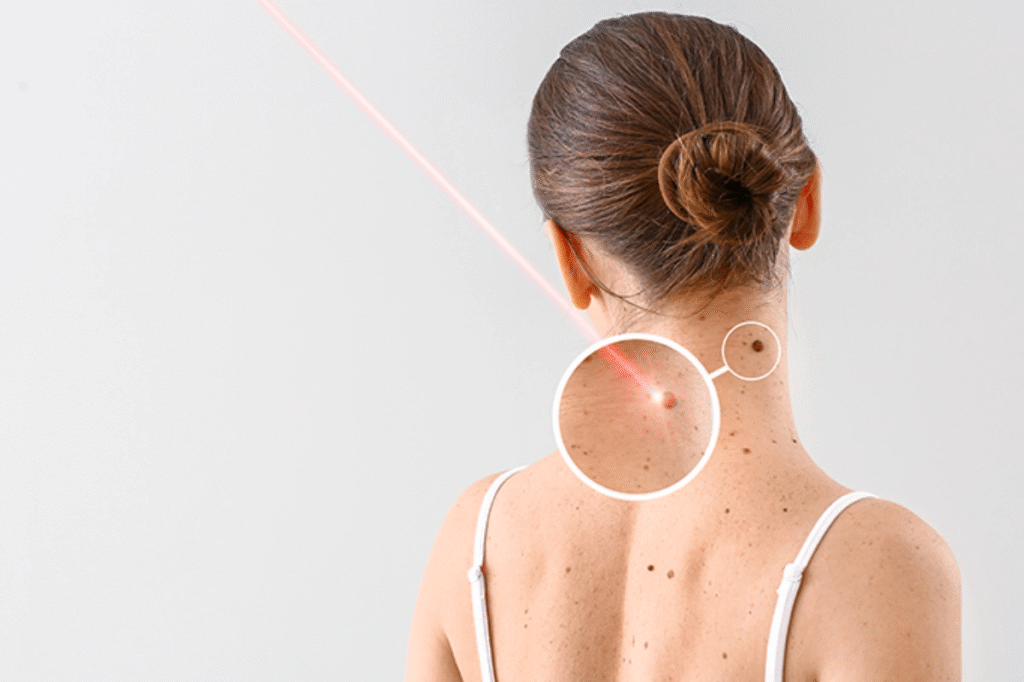
Laser ink removal/mole removal
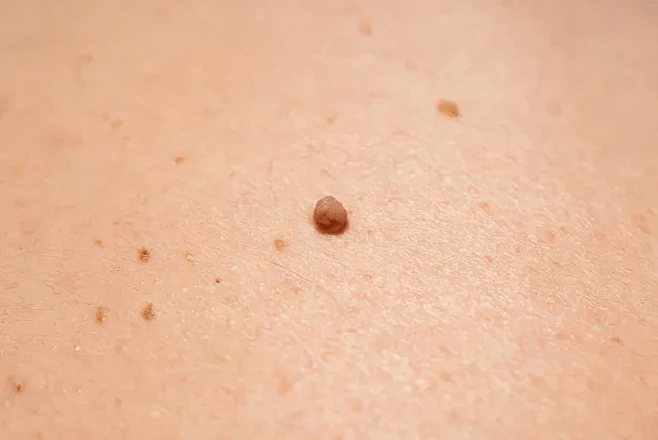
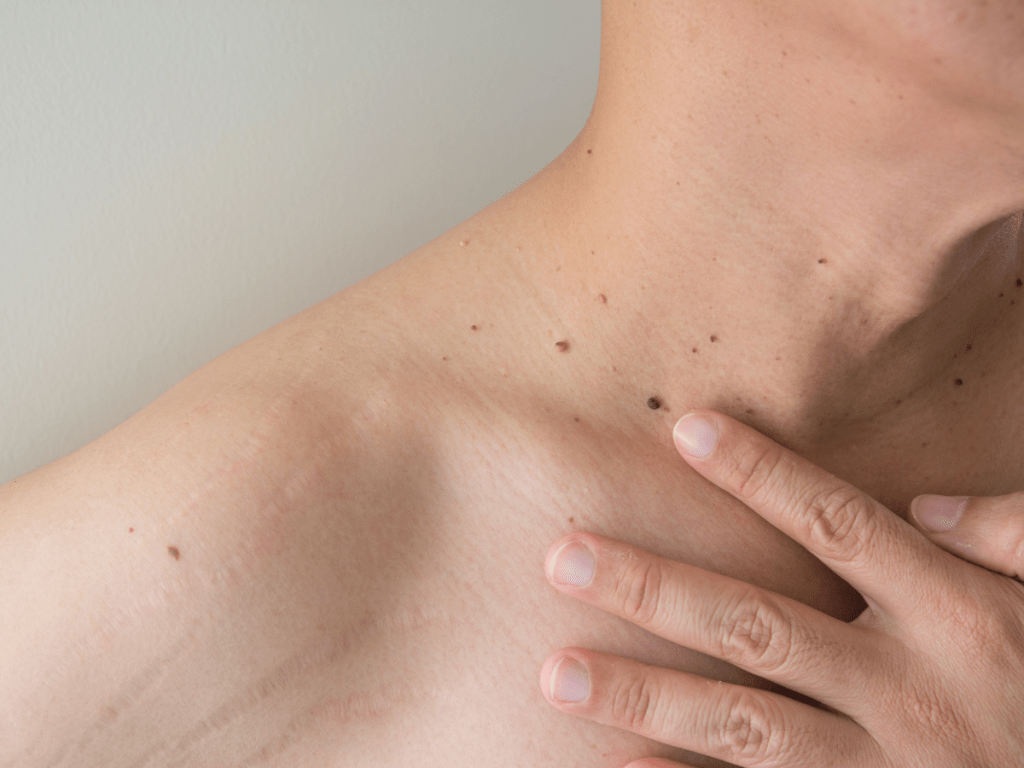
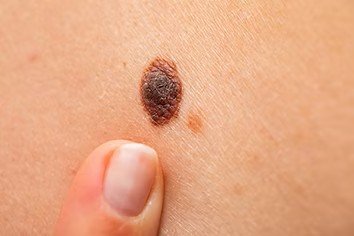
Moles are caused by the accumulation of pigment on the skin surface, resulting from an increase in melanin in a localized area of the skin. If the melanin is deposited and accumulated in the dermis, the color of the mole will be related to its location and it will be called a dermal nevus, which will be lighter in color. If it is located between the dermis and the epidermis, it will be called a junctional nevus, which will be darker in color.
How are moles formed?
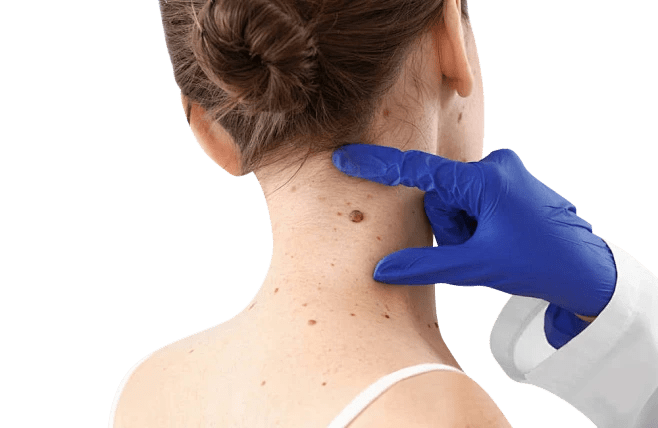
What we commonly call moles are scientifically known as "melanocytic nevi," primarily formed by the proliferation and aggregation of melanocytes (nevus cells). Melanocytes are distributed throughout the skin, so almost everyone has moles to some extent. The likelihood of developing moles is related to genetics, ultraviolet radiation, hormonal changes, and age. Most moles are composed of benign cells, and they tend to increase in number and size with age, which is normal. If a mole is raised, it indicates that the nevus cells have grown downwards; therefore, a more raised mole indicates a deeper location, requiring more extensive removal.
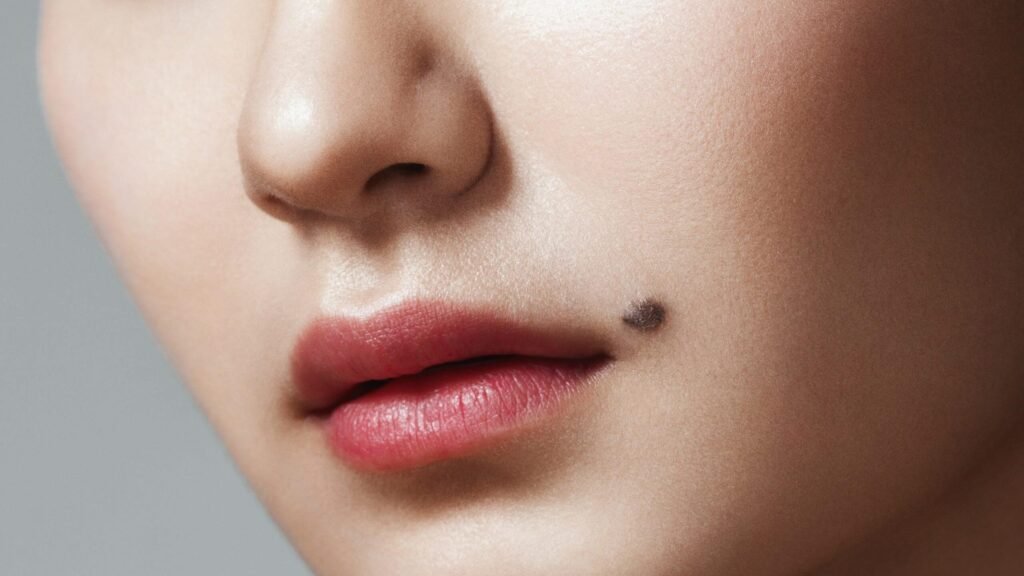
Why might moles/nevus require multiple treatments?
- Types and depths of moles
- The formation of moles is related to the aggregation of melanocytes. Based on their depth of distribution, moles can be classified into the following types:
- Epidermal nevi: Melanocytes are located on the surface of the skin and can usually be removed with a single treatment.
- Dermal nevi: Melanocytes penetrate deep into the dermis and require multiple treatments to completely remove them.
- Mixed nevi: Melanocytes are distributed between the epidermis and dermis. The number of treatments depends on the size and depth of the nevus.
- The "skin memory" of moles and freckles
- The recurrence of moles is related to the skin's "genetic memory." Even if laser treatment removes the surface melanocytes, cells that were not completely removed in the deeper layers may reactivate, causing the mole to grow back. Therefore, some moles may require multiple treatments to be completely removed.
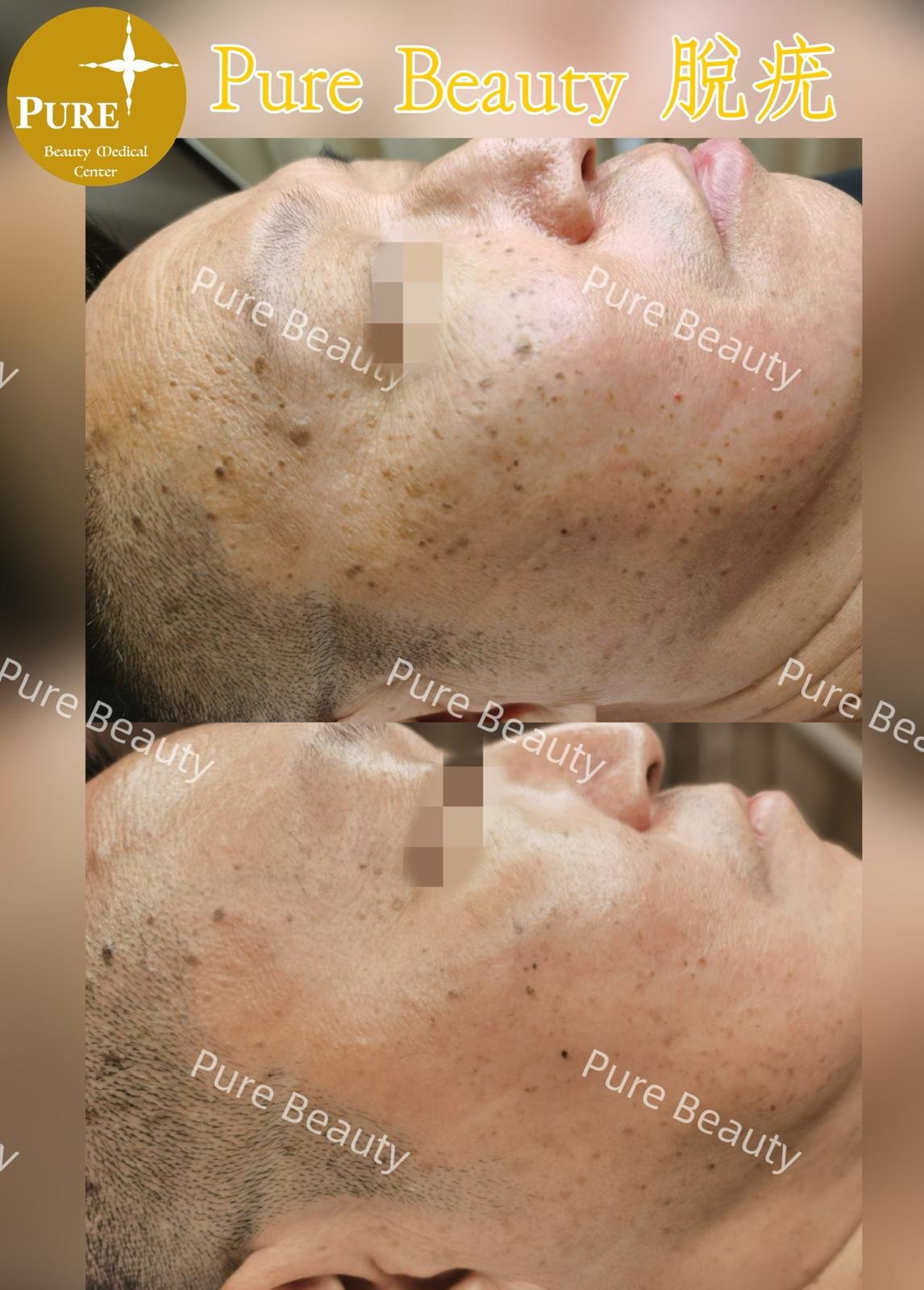
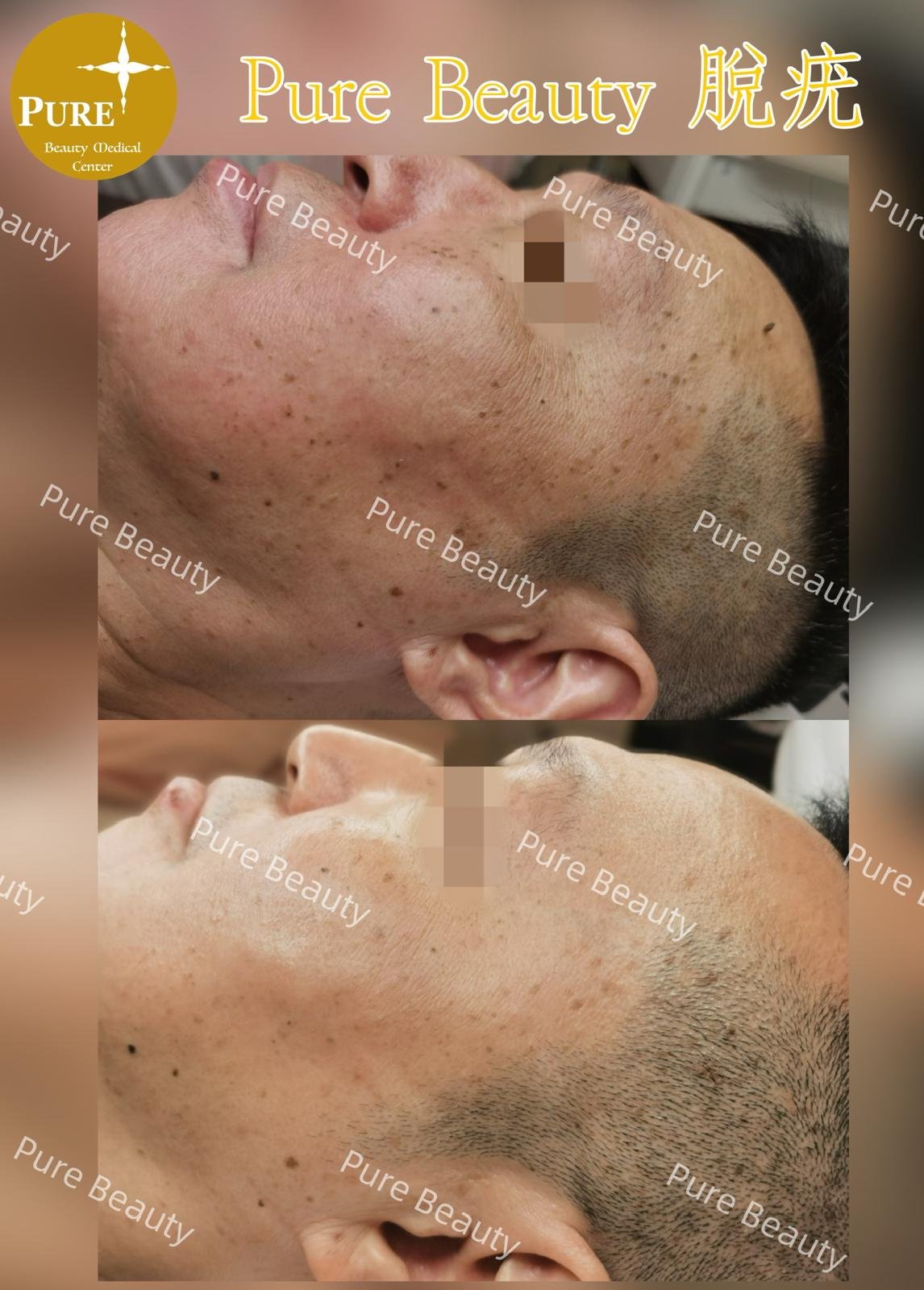
Treatment for warts/removal
Currently, the methods for mole removal mainly include the following:
- Traditional chemical cauterization method: cheap, but unsafe and most likely to leave scars.
- High-frequency electrocautery: If the electrocautery is too deep, it may leave scars and there is no guarantee that it can be resolved in one session.
- Laser treatment: If the mole is relatively deep, it may take 2-3 sessions to remove it. The wound heals easily and is less likely to leave scars.
- Excision method: Surgical suturing. Suitable for large and protruding moles. Usually, if the mole is larger than 3 mm, surgical excision is required. If you want to remove large and protruding moles with laser, you must be prepared for scarring.
After mole removal, it's important to take care of the wound to prevent scarring. For three days, avoid getting the wound wet and avoid prolonged sun exposure.
Also, eat less spicy food, soy sauce, sweets, etc., and increase your intake of vitamin C and apply gentle, repairing skincare products. Most importantly, do not pick at the scabs; wait for the scabs to fall off naturally to avoid bacterial infection.
Can moles/mole be prevented?
Regardless of melanoma, as mentioned above, moles are generally caused by the proliferation of melanocytes. Therefore, the first thing to do to prevent moles is to stop the excessive proliferation and deposition of melanin.
- Protect yourself from the sun and avoid going out at midday, as ultraviolet rays accelerate melanin deposition, which not only tans the skin but also causes lighter moles to darken or new moles to form.
- Your lifestyle is also closely related to melanin production. Staying up late and poor sleep quality can lead to melanin deposition, resulting in poor complexion and dull skin.
- When emotions are unstable or stress is felt, the body's hormonal balance is easily disrupted, indirectly causing melanin deposition.
- High-salt foods, foods high in sodium, and spicy foods can easily lead to melanin deposition.